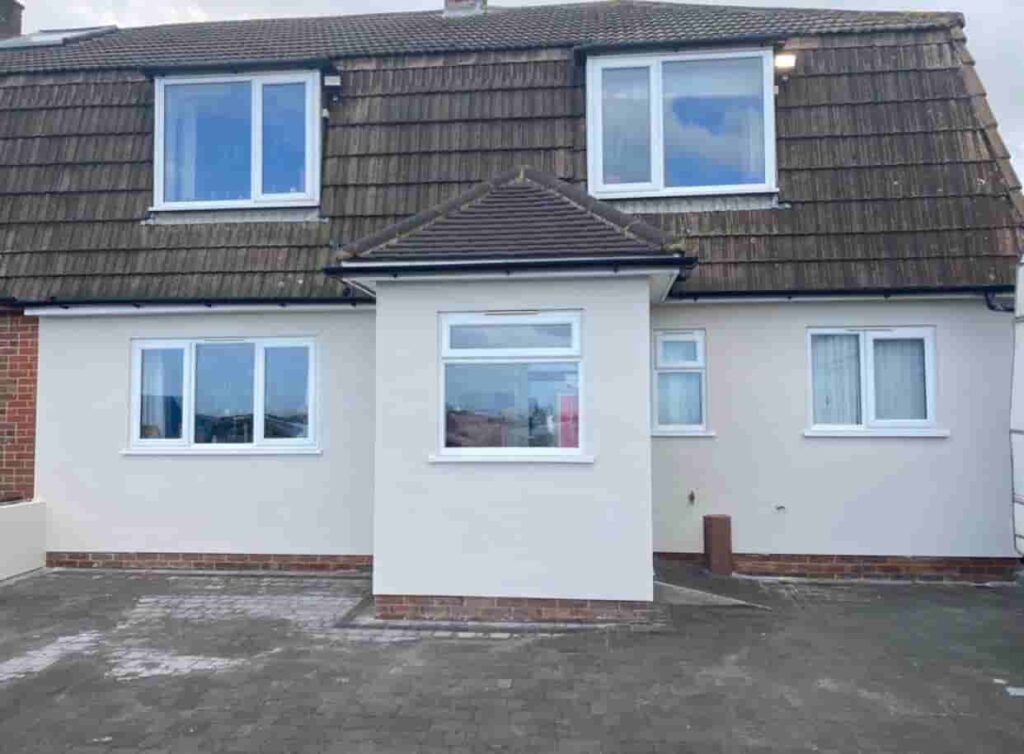
Roof leaks are one of the most common and disruptive issues homeowners face, often developing gradually before becoming obvious indoors. In many cases, the source of a leak is not the main roof covering itself, but the joints and intersections where different roof elements meet. This is where lead flashing plays a vital role. For properties in Smethwick, West Midlands, correctly installed and maintained lead flashing is essential for keeping roofs watertight over the long term.
At Smethwick Roofing Repairs, we regularly inspect and repair lead flashing as part of our commitment to providing reliable, long-lasting roofing solutions.
What lead flashing is designed to do
Lead flashing is a weatherproof barrier installed at vulnerable points on a roof, such as around chimneys, roof valleys, dormer junctions, and where roof slopes meet walls. These areas are naturally prone to water ingress because they interrupt the flow of rainwater across the roof surface.
The flexibility of lead allows it to be shaped precisely to the roof’s contours, creating a tight seal that directs water away from joints and safely down the roof.
Protecting roof joints and intersections
Roof joints are under constant pressure from rainfall, wind, and temperature changes. Without proper protection, water can seep through small gaps and work its way into the roof structure.
Lead flashing bridges these joints effectively, ensuring water is guided over the surface rather than allowed to collect or penetrate beneath the roof covering. This protection is especially important during prolonged or wind-driven rain.
Adapting to movement and weather changes
Buildings naturally expand and contract due to temperature variations. Over time, rigid materials can crack or separate at joints, creating opportunities for leaks.
Lead is particularly effective because it can accommodate this movement without losing its seal. Its durability and flexibility allow it to respond to seasonal changes while continuing to protect vulnerable roof areas.
Preventing hidden water damage
One of the challenges with roof leaks is that water often travels unseen before becoming visible inside the property. Poor or damaged flashing can allow moisture to enter roof spaces, leading to damp timbers or reduced roof performance.
Well-maintained lead flashing prevents this hidden damage by stopping water at its point of entry, preserving the condition of both the roof covering and the structure beneath.
Common signs flashing may need attention
Over time, lead flashing can become displaced, fatigued, or incorrectly aligned due to weather exposure or previous repairs. Subtle signs such as staining near chimney stacks, damp patches around roof junctions, or recurring minor leaks often point to flashing issues rather than tile failure.
Professional inspection helps identify these early signs and address them before wider damage develops.
Why professional installation and maintenance matter
The effectiveness of lead flashing depends heavily on correct detailing and secure fitting. Poorly installed flashing may fail prematurely or allow water to bypass the intended drainage path.
Experienced roofers understand how to shape, fix, and integrate lead flashing correctly with surrounding materials. This ensures it performs as intended and provides long-term protection, particularly in exposed areas of Smethwick where roofs face varied weather conditions.
Conclusion
Lead flashing plays a crucial role in preventing roof leaks by protecting joints, accommodating building movement, and directing water safely away from vulnerable areas. When properly installed and maintained, it helps preserve the overall integrity of the roof and reduces the risk of hidden water damage.
If you are experiencing signs of roof leakage or would like your flashing checked in Smethwick, West Midlands, Smethwick Roofing Repairs can provide expert advice and professional roofing services. Our team is dedicated to ensuring your roof remains secure, weatherproof, and dependable for years to come.
Call us on: 0121 270 9 085
Click here to find out more about Smethwick Roofing Repairs
Click here to complete our contact form and see how we can help with your roofing needs.